Mia Wagner · 2 September 2026
Switzerland's glaciers are under close observation as new reports highlight ongoing changes in the Alpine landscape. The latest data from monitoring stations across the country point to continued ice loss influenced by rising temperatures.
Key Findings from Annual Surveys
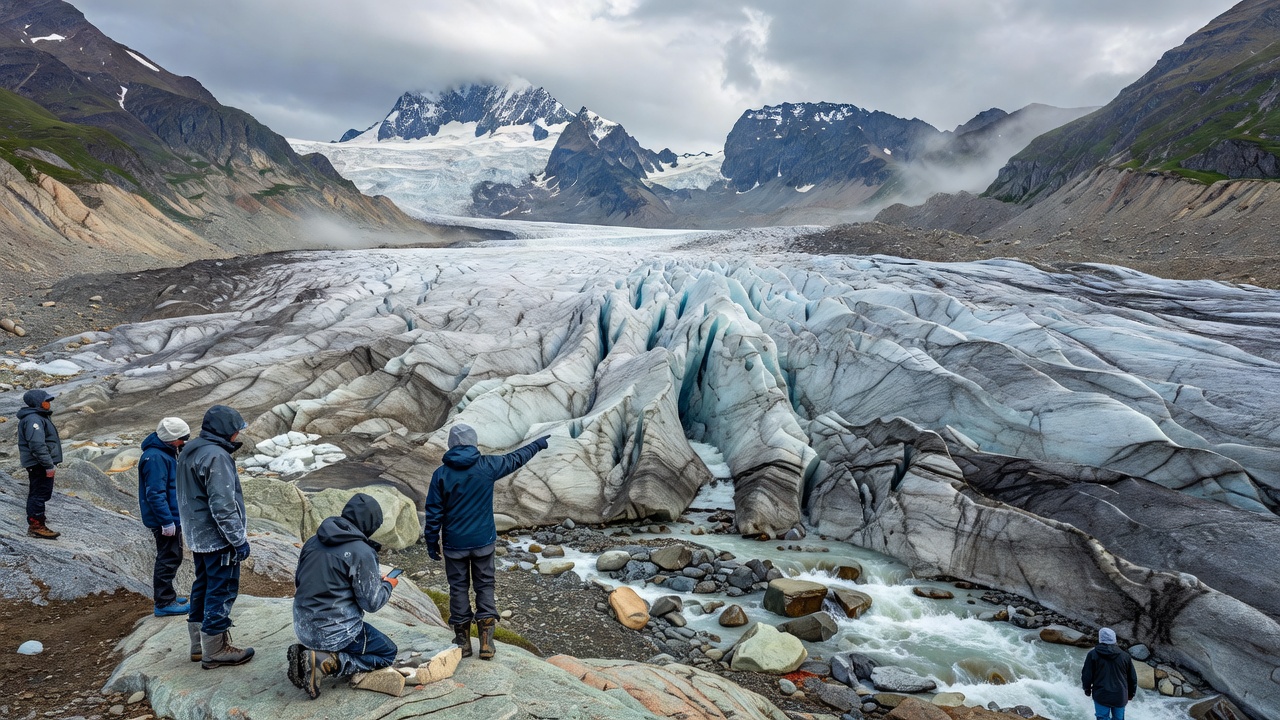
The Swiss Glacier Monitoring Network, known as GLAMOS, has released its annual assessment based on fieldwork and remote sensing technologies. Measurements indicate that the total glacier area has decreased by approximately 1.5 percent compared to the previous year. Specific glaciers such as the Findel Glacier near Zermatt showed a length reduction of 25 meters. Researchers attribute this to higher summer temperatures averaging 1.2 degrees Celsius above long-term norms. Winter snow cover was also below average, limiting the protective layer against ablation. These observations align with broader European trends documented in international climate assessments.
Additional data from the Morteratsch Glacier in the Engadin valley reveal similar patterns, with surface lowering rates reaching up to 3 meters in some sections. The use of drones and GPS equipment has improved accuracy in tracking these changes over time. Experts emphasize that such monitoring is crucial for understanding the rate of environmental transformation in high-altitude regions.
Consequences for Alpine Regions and Culture
The implications extend beyond the ice itself, affecting water supply systems that depend on glacial runoff for rivers like the Rhone and Rhine. Reduced glacier volumes could lead to seasonal water shortages during dry periods, impacting agriculture and energy production from hydroelectric plants. In cultural terms, Alpine communities have long integrated glacier landscapes into their heritage, with festivals and stories centered around these natural features. As the ice diminishes, there is a growing need to preserve this heritage through documentation and education initiatives. Tourism operators are adapting by promoting alternative attractions such as hiking trails and biodiversity spots. International cooperation remains vital, with Switzerland participating in EU-funded projects aimed at climate adaptation strategies. Continued vigilance through scientific reports will help guide sustainable development in these sensitive mountain ecosystems. Future projections suggest further losses unless global emission reductions are achieved promptly.